
Leçon 1 sur 6
Requeening and Queen Rearing Basics
Why and when beekeepers replace a queen, how a new queen is safely introduced to a colony, and the two broad approaches to raising queens yourself.
Fundamentals covered how to read a colony's health and recognize supersedure and swarm cells. This lesson goes a step further: deliberately replacing a queen on your own terms, and the basics of raising queens yourself rather than always buying one.
Why requeen
A queen's performance changes over her life, and a beekeeper doesn't have to wait for a colony to decide on its own that she needs replacing:
- Failing or aging queens — declining or increasingly spotty brood patterns, a shrinking population despite good conditions, or a queen simply reaching an age (commonly 2-3 years) where her egg-laying capacity and pheromone output decline.
- Temperament — an unusually defensive colony often traces back to its queen's genetics; requeening with calmer stock can change a colony's behavior within a generation or two of workers.
- Breeding for traits — deliberately introducing queens bred for qualities like Varroa resistance (e.g. hygienic behavior, where workers detect and remove mite-infested brood), gentler temperament, or better honey production.
- After queen loss or a failed mating flight — a colony that's gone queenless, or whose virgin queen never successfully mated, needs a new queen before it dwindles.
Requeening is best timed outside of extreme heat, dearth, or the depths of winter — most beekeepers requeen in late summer/early fall (so the new queen and her workers are established before winter) or in spring, avoiding the most stressful periods for both the colony and a newly introduced queen.
Introducing a new queen safely
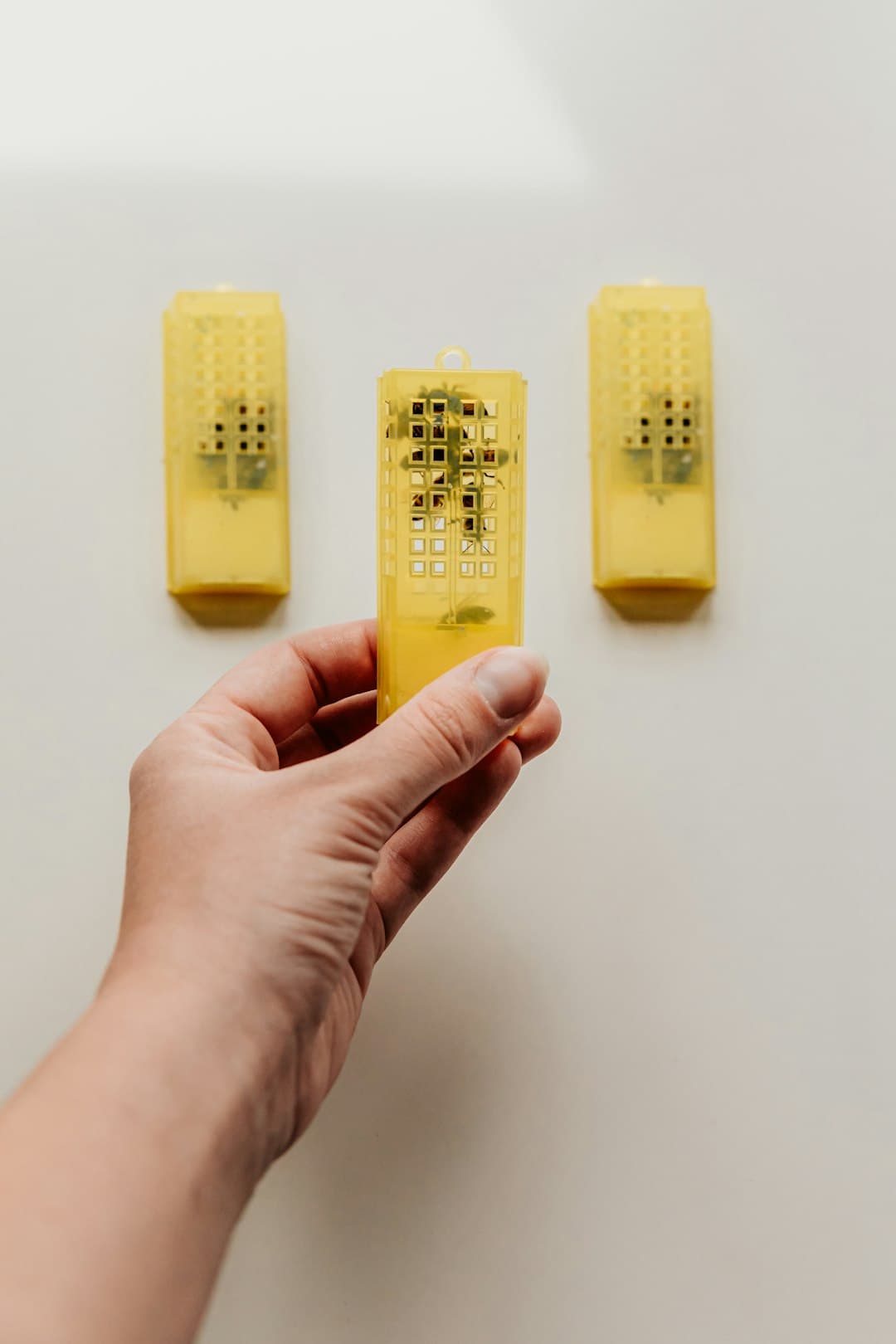
A colony defends itself against unrelated intruders by instinct, and a queen is no exception — releasing an unfamiliar queen directly into a colony often gets her killed ("balled" by workers) before she's accepted. The standard solution is a introduction cage, most commonly the type used for mail-order queens: a small cage holding the queen (and often a few attendant workers) is placed between frames, with one end plugged with queen candy. Over several days, workers on the outside of the cage and the queen inside gradually acclimate to each other's pheromones through the mesh, while slowly chewing through the candy plug; by the time she's released, the colony generally accepts her as their own rather than as an intruder. Beekeepers typically check back after a few days to confirm the queen has been released and is walking calmly on the comb (a good sign) rather than being aggressively balled by workers (a sign the introduction may be failing).
Raising your own queens
Buying a mated queen is faster and simpler, but every established beekeeper eventually raises at least a few queens themselves — it's cheaper at any scale, and it's the only way to propagate specific genetics from your own best colonies. There are two broad approaches:
Walk-away splits are the simplest method: divide a strong colony (as covered in the increase/splits lesson) so that the queenless half has frames with eggs and very young larvae. Left alone, the workers select several of those young larvae and begin feeding them royal jelly exclusively, raising emergency queen cells with no input from the beekeeper about which larvae get chosen. It requires no special equipment or skill beyond making a split, though the resulting queen's genetics are whatever the colony happened to select.
Grafting is the deliberate version: a beekeeper selects a source colony with traits worth propagating and physically transfers very young larvae (ideally under 24 hours old, before they've been fed anything but royal jelly) from worker cells into artificial queen cups, using a fine grafting tool. Those cups are placed into a strong, queenless "starter" colony conditioned to accept and rear grafted larvae as queens. Grafting takes practice — the larvae are tiny and easily damaged — but it lets a beekeeper choose exactly which genetics to propagate, rather than leaving the choice to whichever larvae a colony happens to select on its own.
Either way, a new queen needs roughly two weeks from a capped queen cell to emergence, and then commonly another one to two weeks (weather-dependent) to complete mating flights and begin laying — meaning a full home-raised requeening cycle, from decision to a laying queen, typically takes about a month, versus just a few days when introducing an already-mated purchased queen.
Sources & Further Reading
This lesson paraphrases general requeening and queen-rearing guidance from the FAO and Wikibooks.
- FAO. Good Beekeeping Practices for Sustainable Apiculture. 2021. Licensed under CC BY 3.0 IGO. https://www.fao.org/documents/card/en/c/cb4923en
- Wikibooks contributors. Beekeeping. Licensed under CC BY-SA 4.0. https://en.wikibooks.org/wiki/Beekeeping
Which of these is a common, legitimate reason to requeen a colony?
What is the main purpose of a candy-plug introduction cage when adding a purchased queen to a colony?
What's the key difference between 'walk-away' queen rearing and deliberate grafting?