
Urban Beekeeping 101: How to Keep Healthy Hives in the City
A practical guide for newbees and urban beekeepers on how to keep healthy, productive hives in small city spaces.
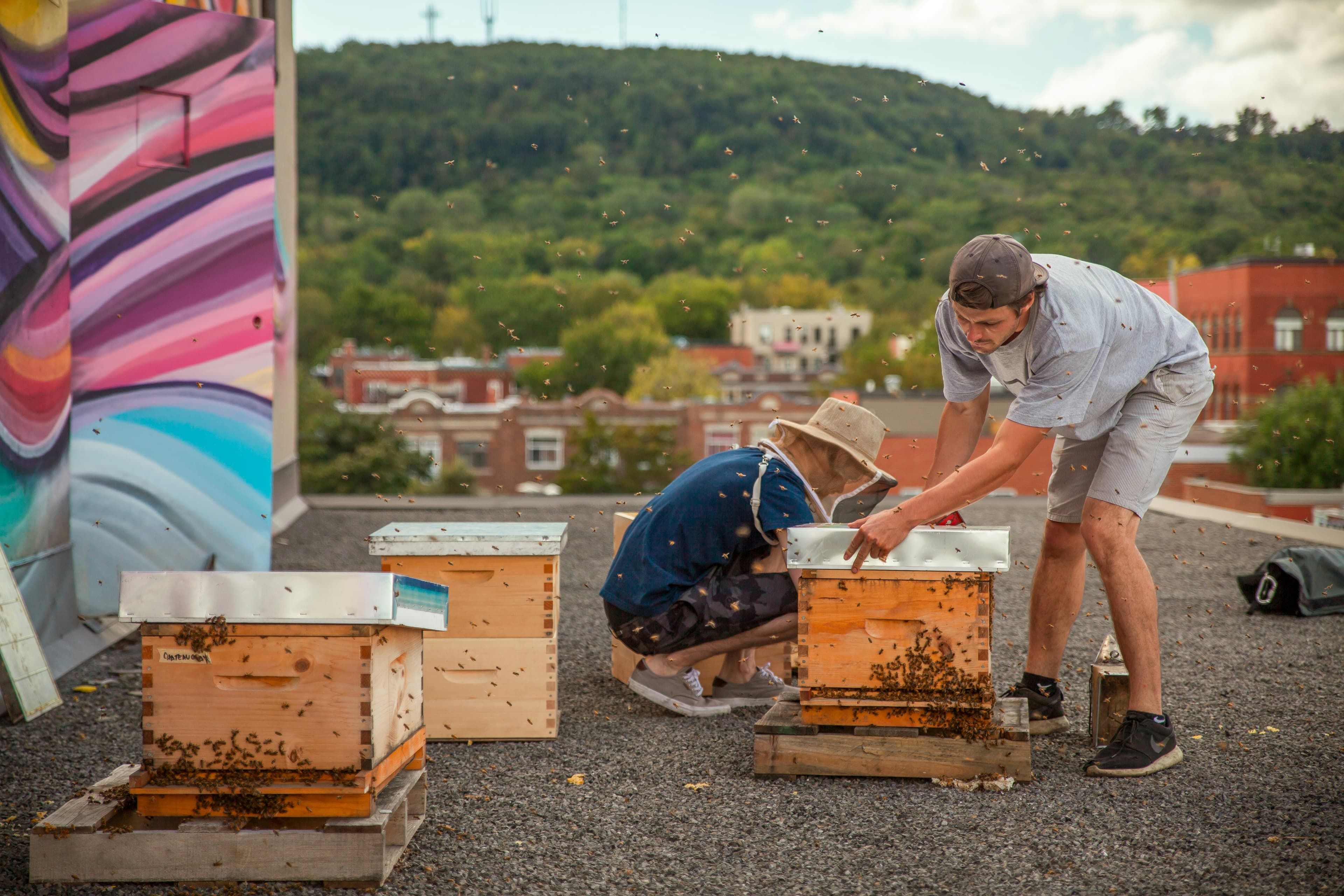
Urban Beekeeping 101: How to Keep Healthy Hives in the City
Beekeeping isn't just for the countryside anymore. More and more newbees are setting up hives on rooftops, balconies, and backyards in urban areas. If you're a new beekeeper living in the city—or a curious nubee wondering if it's even possible to keep bees in a densely populated area—this guide is for you.
Why Urban Beekeeping?
Urban beekeeping has grown rapidly over the past few years. Cities provide surprisingly rich forage due to diverse landscaping, backyard gardens, and public green spaces. In some cases, bees in cities may even perform better than their rural counterparts, with less pesticide exposure and longer blooming seasons.
Benefits of Urban Beekeeping
- Pollination Power: Support urban gardens and green roofs by boosting pollination.
- Local Honey Production: Harvest your own hyper-local honey from your neighborhood.
- Education & Engagement: Great for teaching others (or yourself) about sustainable ecosystems.
Is Urban Beekeeping Right for You?
If you're a newbee just getting started, there are a few things to consider:
Check Local Regulations
Before setting up your hive, review your city's bylaws or zoning rules. Many cities now allow beekeeping, but may require:
- Minimum setbacks from property lines
- Registration or permits
- Limits on the number of colonies
- Access to a water source
Consider Your Neighbors
Even if beekeeping is legal, it's essential to keep the peace. Choose hive placements away from high-traffic human areas. Good communication goes a long way—sometimes a jar of honey helps too!
Urban Hive Management Tips
Keeping bees in a city comes with its own unique challenges. Here are some key tips, especially for new beekeepers:
1. Optimize Hive Location
- Choose spots with morning sun and afternoon shade.
- Avoid locations exposed to strong winds or reflective heat (like glass rooftops).
- Elevate hives to reduce disturbance and promote flight clearance.
2. Provide a Reliable Water Source
Bees need water for cooling and feeding brood. Urban bees may seek out AC units or pools—so give them their own clean source early on.
3. Keep Records (Seriously!)
As a nubee, you'll quickly learn that tracking your inspections, treatments, and hive conditions is invaluable. I personally use APiLOG.app (big surprise) to record everything hands-free while I inspect—it's built for field use and lets me review queen performance and hive health trends over time.
4. Manage Swarming Carefully
Swarming in a dense area can lead to complaints or calls to animal control. Regular inspections, supering, and timely splits can keep your colonies calm and productive. Inform yourself with a number or organization to call or notify if you suspect your own hive has swarmed, this might help with keeping track of numbers or where they could expect to get a call from.
My Experience as an Urban Beekeeper
I started my own beekeeping journey in the city with just one flow hive in the backyard. I made the mistake of not asking one of the neighbors as they keep to themselves and didn't think it would be an issue. But thankfully because of talking about my initiatives other neighbors flocked to the idea and I've found more spaces. With each season, I learned more about how to work with the bees and learned so much having them close to me.
What surprised me most? The sense of community that grew around my bees. Neighbors became curious. Kids asked questions. People wanted to know where the honey came from. Beekeeping became more than a hobby—it became a way to connect.
Final Thoughts for Nubees in the City
Urban beekeeping is entirely doable—and incredibly rewarding. If you're a new beekeeper or nubee, start small, stay curious, and lean into tools that help you learn as you go.
💡 Want to try keeping digital records from day one? Give APiLOG.app a look—it's what I use, and it keeps my hive history organized with almost zero effort.
A Note on Bee-Friendly Urban Environments
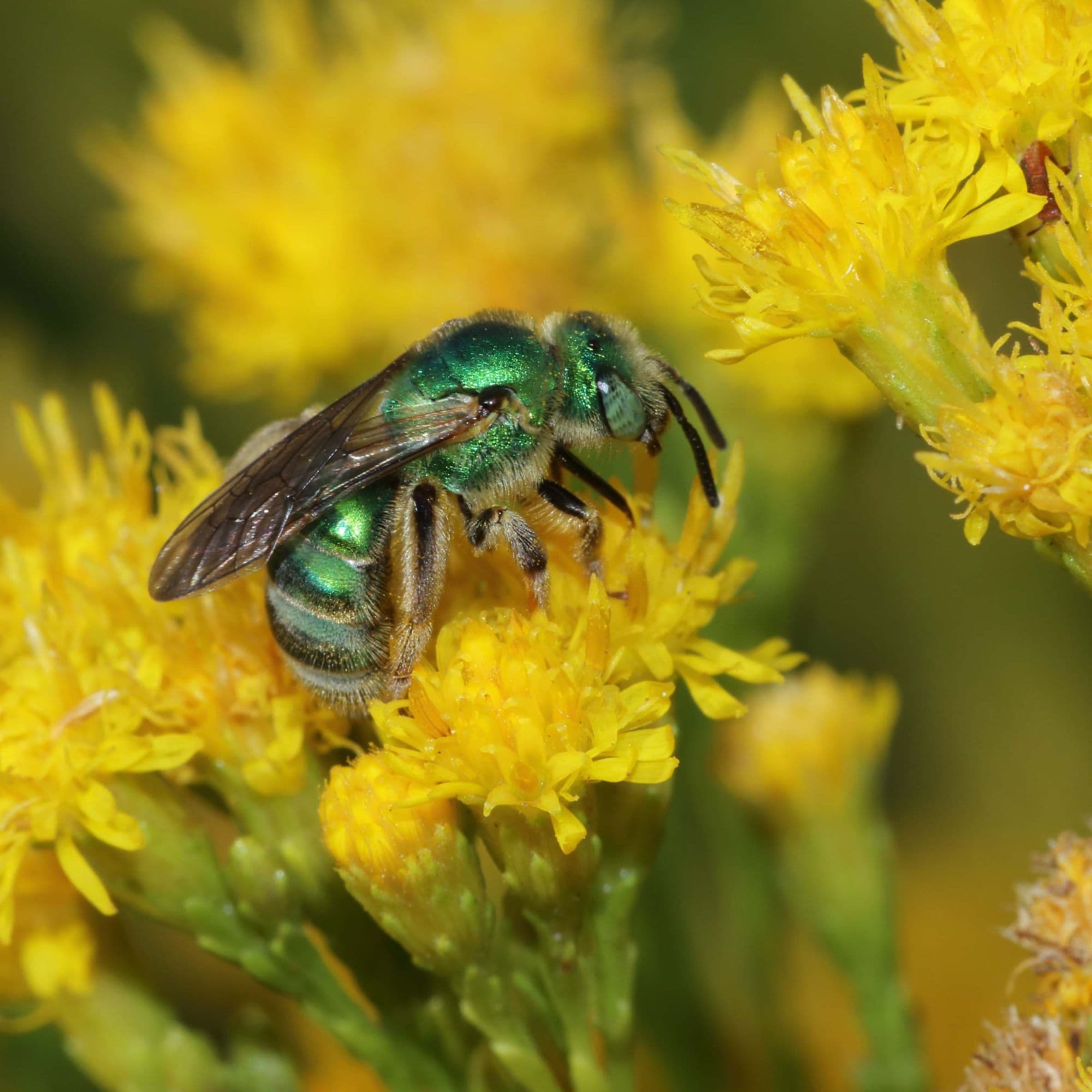
While honeybee hives are a joy to keep and provide many benefits, it's essential to be mindful of the ecological balance, especially in cities. Urban areas already host diverse populations of native bees and wild pollinators that often go unnoticed but play critical roles in local ecosystems. I personally love the green sweat bees (Agapostemon & Augochlorini) how they land on my hand like a friend and the soothing sound of a bumble bee.
Introducing managed honeybee colonies can unintentionally compete with these native species for limited floral resources. As a responsible urban beekeeper—especially if you're a nubee—you can support all bees by:
- Planting a variety of native, pollinator-friendly plants that bloom from early spring through fall
- Avoiding the use of pesticides and herbicides
- Leaving wild areas undisturbed for solitary nesting bees
- Educating your community about native pollinators, not just honeybees
Urban beekeeping can and should coexist with efforts to rewild our cities and support biodiversity. A healthy city for honeybees is one that's even better for native bees, butterflies, and all the other unsung heroes of pollination. Rewilding Magazine is a great source of information on how to be more bee friendly.

Happy beekeeping, wherever you are!