
Late-Season Hive Inspections: Organize Your Records for Smarter Winter Prep
Late-season inspections generate a pile of notes fast. Learn a simple system for organizing hive records so feeding, treatment, and consolidation decisions are easy heading into winter.
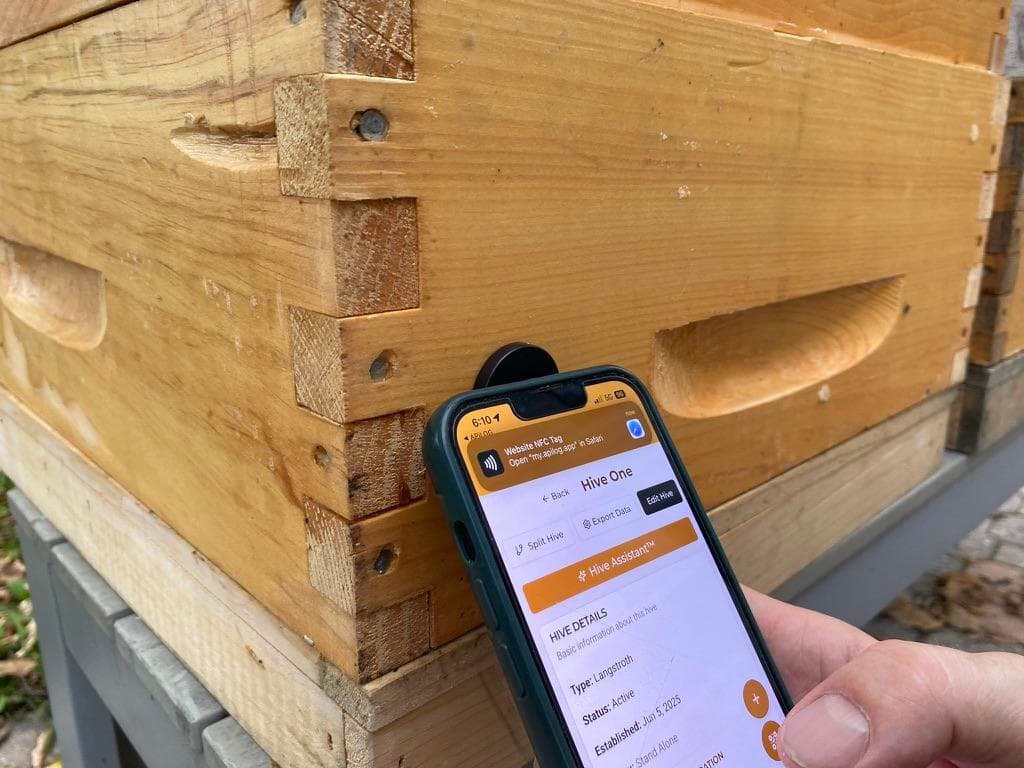
Late-season hive inspections can feel like juggling a dozen tasks at once. Notes pile up fast, and it's hard to turn them into clear next steps for feeding, treatments, or hive consolidation. A simple system for organizing your records can make that overwintering prep a lot less stressful — with support from APiLOG's digital hive logbook.
Organize Late-Season Records
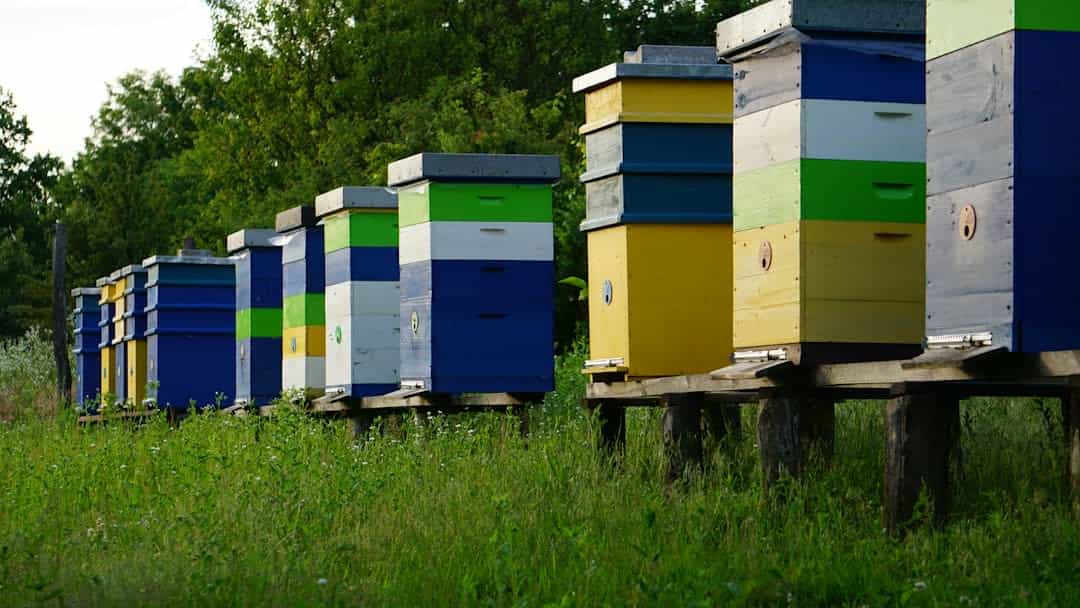
A row of beehives in a late-season inspection
Keeping accurate records late in the season is key to preparing for the colder months. It helps you track the health and productivity of your bees as temperatures drop and your window for intervention closes.
Capture What Matters at Each Visit
Start by jotting down essential observations during each visit — bee behavior, hive temperature, and any pests you notice. A quick voice memo or note in the field beats trying to remember details back at the desk. Keeping these notes organized as you go makes it much easier to act on them later.
After each inspection, review your notes for patterns: a drop in bee activity, a rise in pests, anything that's changed since last time. This is the moment to set reminders for follow-up actions rather than trusting yourself to remember them a week from now.
Structure Notes by Category
Break your observations into categories — feeding needs, pest issues, hive conditions — instead of one long running log. Sorted this way, trends jump out immediately. If bees are consuming more food than expected, that's a feeding adjustment. If pest counts are climbing, that's a treatment schedule. Category-based notes turn a season's worth of scattered entries into a clear action plan for winter.
Track the Details That Drive Winter Decisions
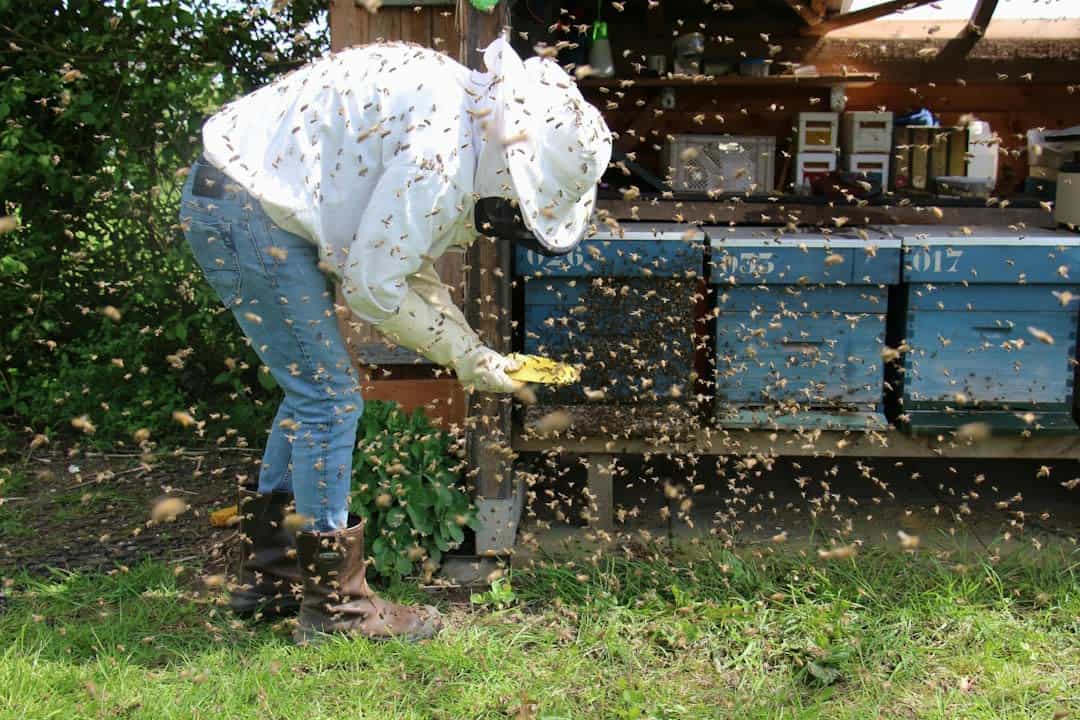
Beekeeper in a full suit working a hive during a late-season check
A digital logbook like APiLOG keeps your late-season records in one place, searchable from any device, so you're not flipping through a paper notebook to compare this week's numbers to last month's.
Queen Status and Brood Patterns
Queen health drives everything else heading into winter. Log queen status and brood pattern at each visit — a decrease in brood numbers or an irregular pattern is often the first sign that intervention is needed before it's too late in the season to act.
Varroa Mite Levels
Mite pressure this time of year can undo months of good management. Log mite counts and treatment outcomes as you go, so you can see whether your fall treatment is actually bringing levels down before the bees cluster for winter.
Try APiLOG's late-season logging
See how quickly you can capture queen status, mite counts, and feeding notes from the field — no signup required.
Plan Your Overwintering Strategy
With organized records, planning for winter becomes straightforward instead of a guessing game.
Set a Feeding Schedule
Your records will show whether bees are drawing down food stores faster than expected. Use that consumption data to set — and adjust — a feeding schedule instead of guessing at syrup timing.
Assess Honey Stores and Colony Strength
Evaluate honey reserves and colony strength together. If stores are low, plan supplemental feeding. If a colony is weak, your notes make it easier to decide whether merging it with a stronger hive gives it better odds of surviving winter.
Finalize the Treatment Schedule
Close out any remaining treatments based on what your records show, and log the dates and outcomes. A documented treatment history going into winter is exactly what you'll want on hand come spring.
Frequently Asked Questions
How can I organize my hive inspection records effectively?
Break records down into categories such as feeding, pest control, and hive conditions. This makes it far easier to spot patterns and plan next steps than working from one continuous log.
What's the best way to monitor varroa mite levels late in the season?
Log mite counts and treatment results after every check. Tracking them digitally lets you compare against prior counts and adjust your approach based on actual trends, not memory.
How should I plan a feeding schedule for winter?
Use your inspection records to track consumption rates and adjust the feeding schedule accordingly, so bees have enough stores to make it through the cold months.
Why track queen status and brood patterns this late in the season?
Queen and brood issues are much harder to fix once temperatures drop. Catching problems now, while there's still time to requeen or combine hives, is what late-season records are for.
Got Questions?
Questions about setting up your late-season record-keeping before winter hits? I'm an email away.