
The Smart Hive Roadmap: 5 Ways to Modernize Your Apiary in 2027
A practical roadmap for modernizing your apiary in 2027 — from replacing the notebook with a digital hive log to turning inspection data into decisions, with APiLOG.
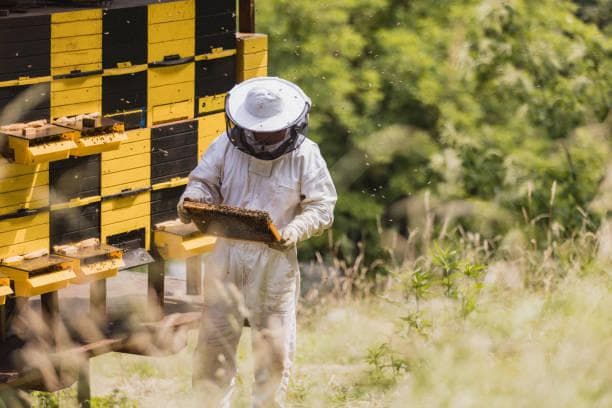
The Smart Hive Roadmap: 5 Ways to Modernize Your Apiary in 2027
Beekeeping is shifting from "check the hive and hope" to "check the data and know." More operations — commercial and backyard alike — are bringing sensors, apps, and digital records into the apiary, and the gap between beekeepers who track their hives digitally and those still relying on memory and loose notes keeps widening. If you're planning your 2027 season, here's a practical roadmap for modernizing your apiary without overhauling everything at once.
1. Replace the Notebook with a Digital Hive Log
The single highest-leverage change you can make is also the simplest: stop writing inspection notes somewhere they'll get lost. A notebook left in a truck or a spreadsheet nobody updates in the field doesn't help you spot a pattern across a season — or across years. A digital hive log you can open on your phone mid-inspection turns scattered notes into a searchable history for every hive you manage.
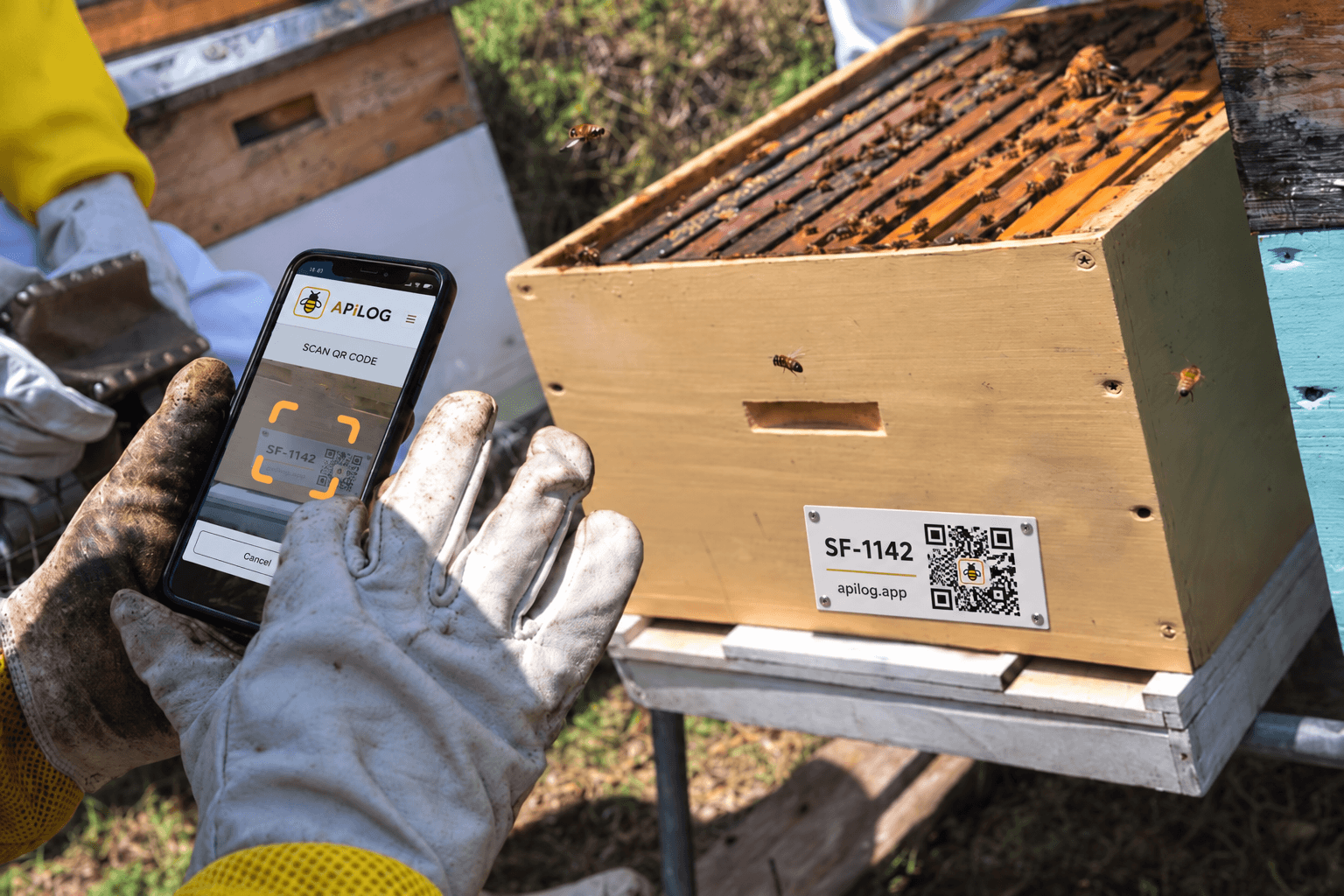
Scan a Hive's QR Code to Pull Up Its Full History
Every hive gets its own printable QR code when you set it up in APiLOG. Scan it in the field and the app jumps straight to that hive's history — no searching through a list of hives with gloves on.
Why It Matters More Every Season
The value of a digital log compounds. One inspection doesn't tell you much. Three years of inspections on the same hive tell you whether a queen is slowing down, whether mite counts spike at the same point every fall, and whether a particular yard underperforms regardless of management. That pattern is invisible in a paper notebook you can't search.
2. Standardize Inspections Across Every Hive
Inconsistent record keeping is almost as unhelpful as no record keeping. If one hive gets a detailed note and the next gets "looks fine," you can't compare them later. Use a consistent inspection template — queen status, brood pattern, mite count, stores, temperament — every time, for every hive. Hive management software that prompts you for the same fields on every inspection makes this automatic instead of something you have to remember to do.
3. Capture Data in the Field, Not After
The notes you write three hours after an inspection, from memory, are worse than the notes you write while you're standing at the hive. Voice notes and photos captured in the moment — then transcribed and organized automatically — close that gap. You get the detail of a real-time observation without stopping to type a paragraph in a bee suit.
Photos and Video as Part of the Record
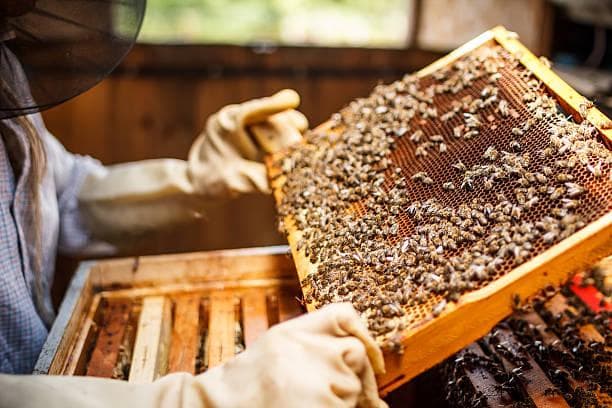
A photo of a frame of brood, or a short video pan across a box, is often faster to capture than it is to describe in words — and it gives you something to compare side-by-side next time you're in that hive. Convert your video inspections into hive records instead of treating photos as a separate, disconnected habit from your written notes.
4. Apply Records to Multiple Hives at Once
Operations running more than a handful of hives know the real bottleneck isn't inspecting — it's logging. If you treated, fed, or harvested from ten hives in an afternoon, you shouldn't have to write the same entry ten separate times. Bulk-apply a treatment, feeding, or harvest record across every hive involved, and save the detailed per-hive notes for what's actually different between them.
See a smarter inspection workflow
Try APiLOG's voice and bulk-record tools hands-on. No signup required.
5. Turn Your Records Into Reports You Actually Use
Data that sits unreviewed isn't doing its job. The last step in modernizing your apiary is closing the loop: pull reports that show mite trends across the season, compare hive performance by yard, or flag which queens are underperforming before it costs you a colony. This is also the record set regulators or ELAP-style loss compliance programs increasingly expect beekeepers to be able to produce on request.
Building Toward Precision Apiculture
None of this requires jumping straight to sensors and automation. Precision apiculture — the broader industry shift toward data-driven hive management — starts with clean, consistent records. The beekeepers best positioned to benefit from sensor data, predictive alerts, and automated reporting in the next few years are the ones who already have a solid digital record of their hives today.
Frequently Asked Questions
Do I need sensors or hardware to modernize my apiary?
No. The highest-impact step is switching from paper or scattered notes to a consistent digital hive log. Sensors and automated monitoring are useful additions later, but they're not a prerequisite.
How much time does digital record keeping actually save?
Most of the savings come from not re-entering data and not hunting for old notes. Capturing voice notes or photos in the field, and bulk-applying records across multiple hives, typically cuts logging time far more than switching formats alone.
Does this help hobbyist beekeepers, or only commercial operations?
Yes — hobbyist beekeepers with two or three hives get the same benefit from being able to look back at last year's notes before this year's first inspection. The scale changes; the value of a consistent record doesn't.