
Price Your Honey Like a Pro: Using Hive Records to Justify a Premium
Most beekeepers underprice their honey because they can't articulate why it's worth more. Here's how your own hive and harvest records build the case for a premium price.
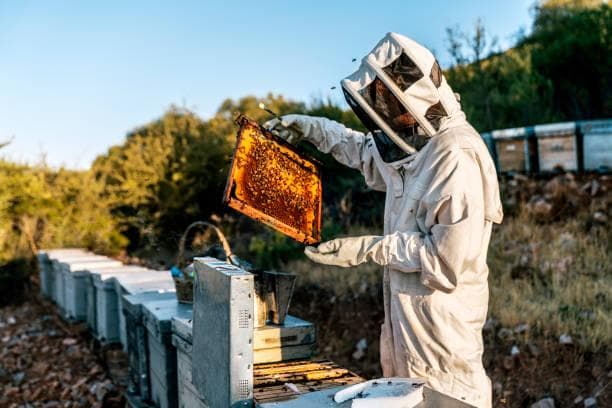
Price Your Honey Like a Pro: Using Hive Records to Justify a Premium
Walk a farmers market and you'll see small-batch honey priced anywhere from $8 a jar to $20, often from beekeepers managing nearly identical operations. The difference usually isn't the honey — it's that one beekeeper can tell a specific, credible story about where it came from, and the other can only say "it's local." If your records already capture that story, pricing for it is mostly a matter of deciding to.
Why Beekeepers Leave Money on the Table
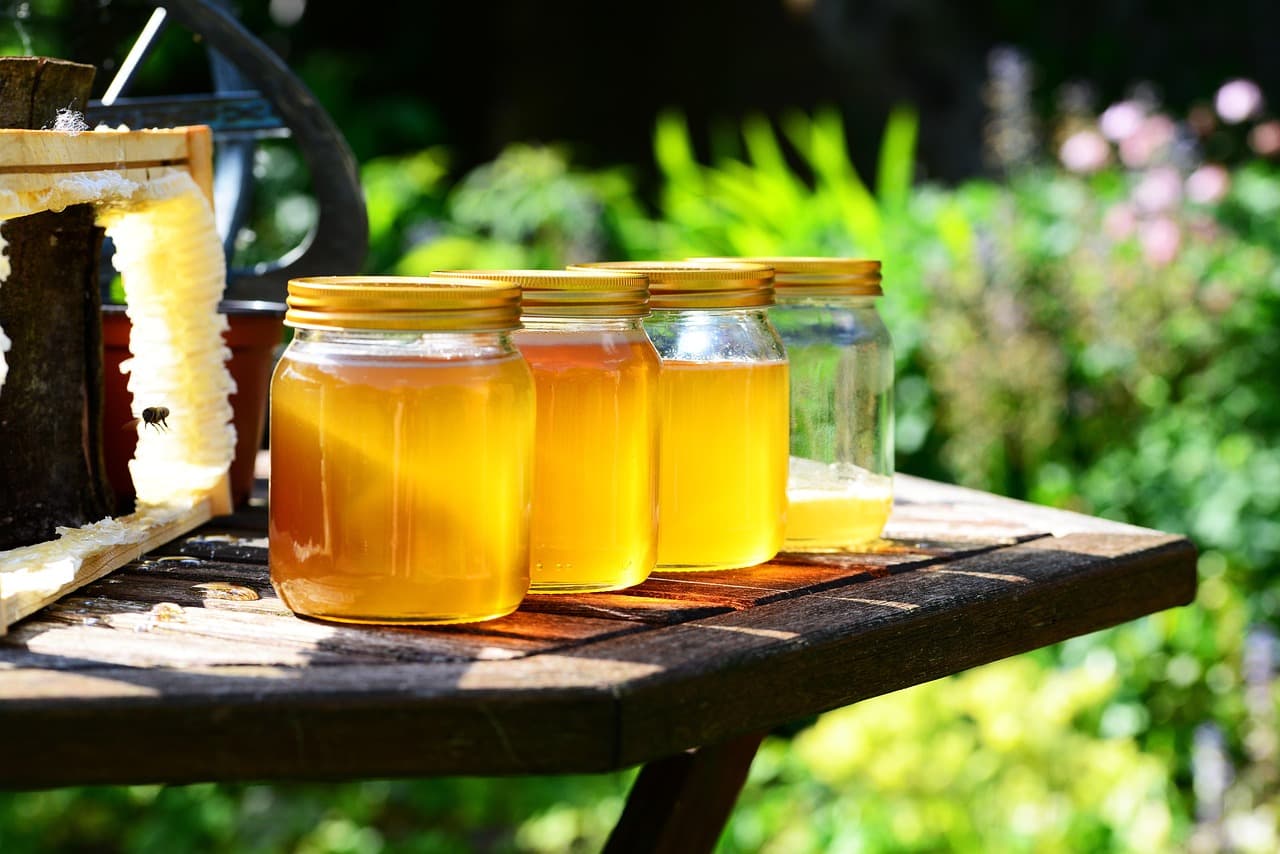
Freshly harvested jars of honey lined up near the hive
Most underpricing isn't a math problem — it's a confidence problem. A beekeeper who can't quickly answer "what makes this batch different" defaults to whatever price feels safe to ask, usually in line with commodity honey. Meanwhile, the beekeeper at the next table who can say "this is from our apiary two miles from the river, harvested the first week of June, mostly clover" sets a higher price and doesn't get questioned on it.
The Story Was Already in Your Records
The useful part: if you've been logging harvests, floral sources, and hive locations, you already have that story — it's just sitting in your hive records instead of on your label.
Turn Your Harvest Records Into a Pricing Story
Specific details sell. Vague ones don't. Compare "local raw honey" against "harvested from three hives at our orchard-adjacent apiary, extracted within 48 hours of pulling frames, primarily apple and clover bloom." The second is a story your records already contain — harvest date, apiary location, and floral source logged at the time of harvest, not reconstructed from memory when a customer asks.
Single-Origin vs. Blended: Let Your Records Decide
Not every harvest is single-origin, and that's fine — but you should know which jars are and price accordingly. If your per-hive and per-apiary harvest records are separated rather than pooled into one undifferentiated batch, you can identify which lots came from a single yard or a single bloom window and sell those specifically as a premium, limited run instead of blending them into your standard price tier.
Make the Story Visible to the Customer
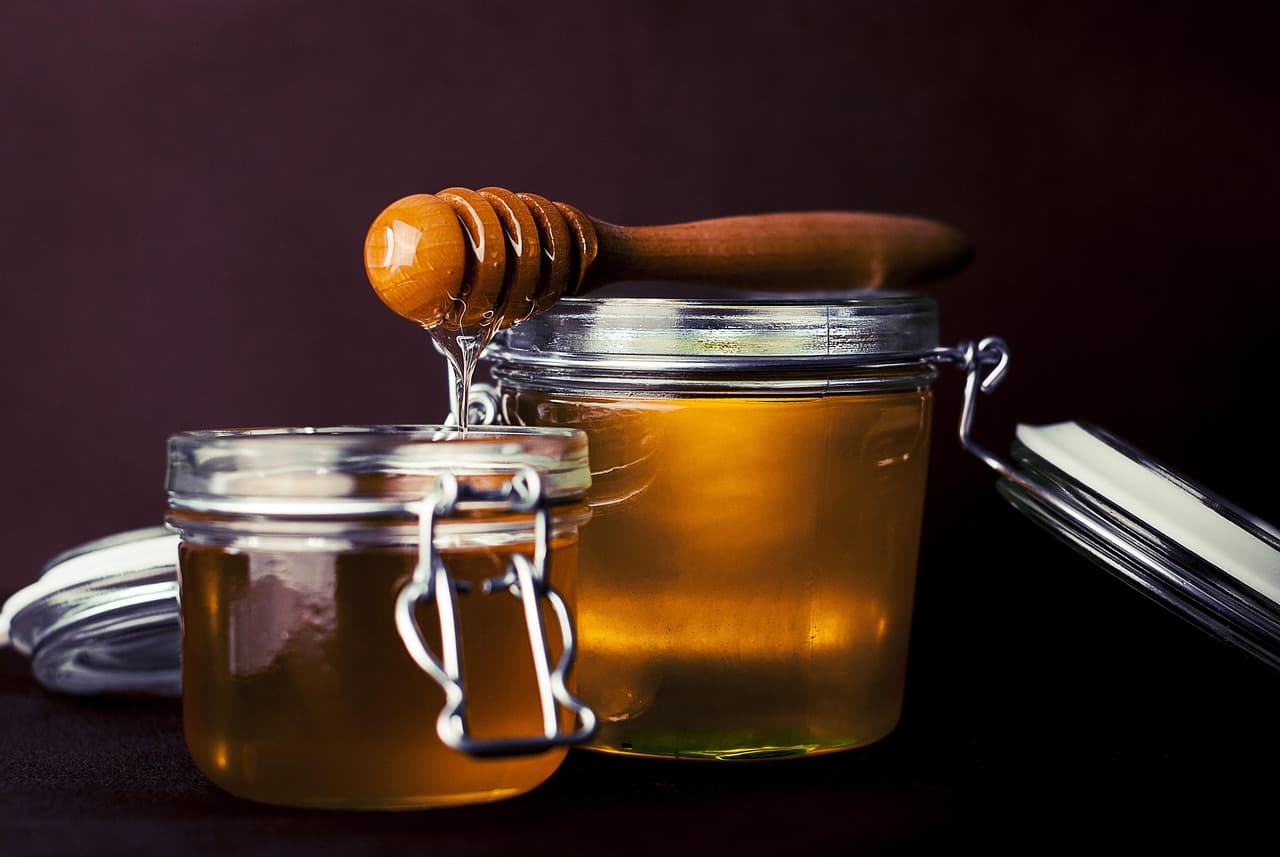
A story that only exists in your own records doesn't help a customer deciding between your jar and the one next to it. This is where turning your harvest data into something a customer can actually see pays off — a batch page with the apiary journey, floral source, and harvest details behind a QR code on the jar does the explaining for you, instead of relying on you repeating the same pitch at every market. If you haven't set this up yet, Honey Profiles turns the records you're already keeping into exactly that — included with your existing APiLOG account.
Setting a Price That Reflects the Real Story
Once the story is specific and visible, pricing follows naturally. A single-apiary, single-bloom batch with a visible harvest story supports a higher price than an unlabeled blend — not because the honey is necessarily different, but because the customer now has a concrete reason to believe it's worth more, instead of taking "local" on faith.
Frequently Asked Questions
Do I need Honey Profiles to price at a premium, or just good records?
Good records are the foundation either way — apiary location, floral source, and harvest date logged consistently. A visible, customer-facing version of that story (like a Honey Profile) makes it easier to communicate at the point of sale, but the pricing case starts with the records themselves.
How much of a premium can specific sourcing details actually support?
It varies by market, but single-origin or small-batch honey with a clear, verifiable story commonly commands noticeably more than unlabeled "local" honey at the same market. The exact amount depends on your region and customer base.
What if most of my harvest is blended across several apiaries?
Blended honey isn't a problem — it's simply priced differently than single-origin batches. The value of keeping per-apiary and per-hive records is that you can identify which specific lots qualify for premium pricing instead of guessing or treating every jar the same.