
Getting Started with Beekeeping: A Beginner's Guide
Everything you need to know to start your beekeeping journey, from choosing equipment to your first hive inspection.
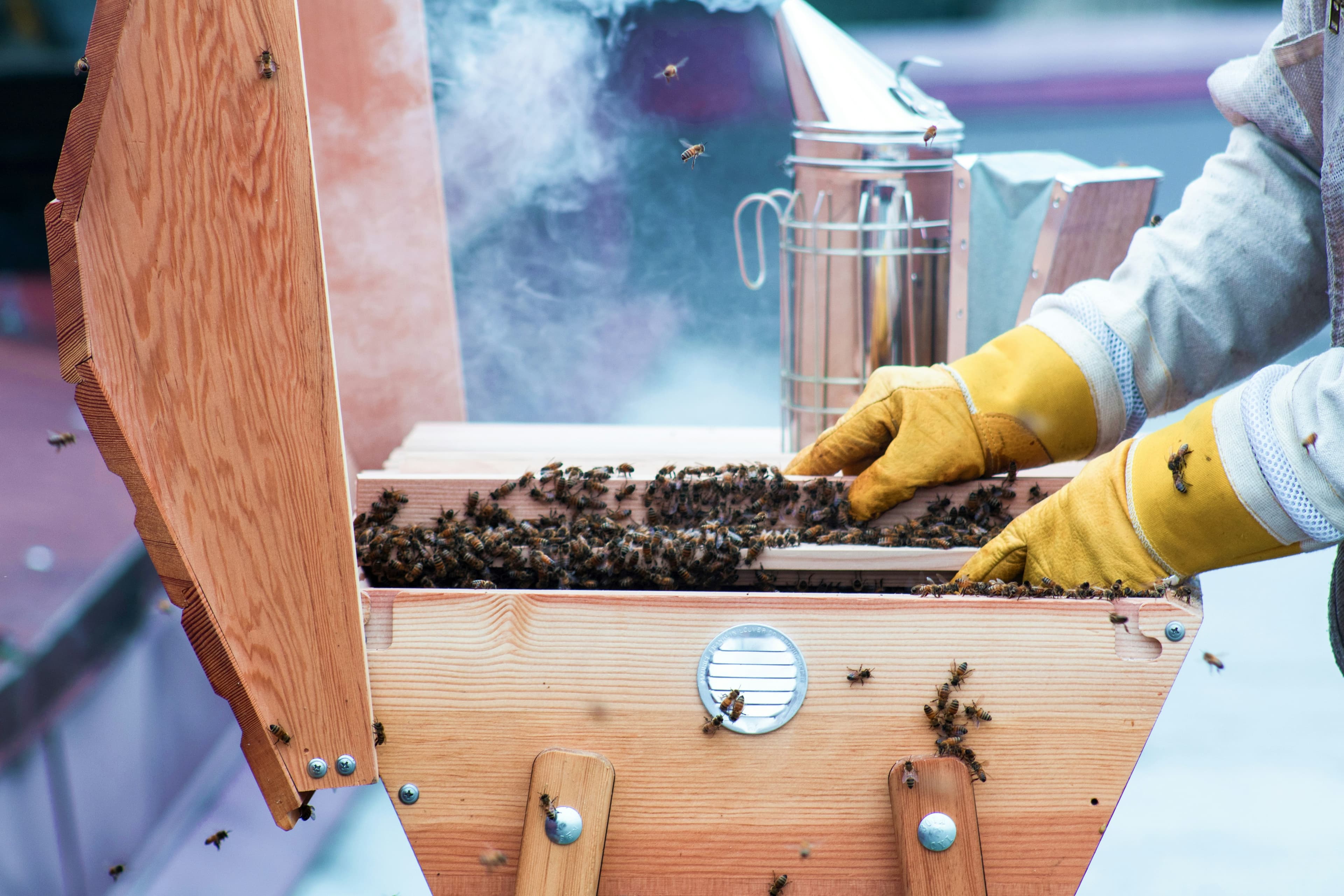
Starting your beekeeping journey can feel overwhelming, but with the right guidance and tools, it becomes an incredibly rewarding experience. In this comprehensive guide, we'll walk you through (almost) everything you need to know to get started.
Why Start Beekeeping?
Beekeeping offers numerous benefits:
- Environmental Impact: Help support local ecosystems and pollination
- Honey Production: Enjoy fresh, local honey from your own hives
- Educational: Learn about one of nature's most fascinating insects
- Community: Join a passionate community of beekeepers
- Inner Peace: This one is so true for me, you'll feel it once you start
Essential Equipment for Beginners
Protective Gear
Your safety should always come first. This will change with your confort level and possibly the season. Bees are more protective of their hive when there is more to lose, like in the later part of the season. Essential protective equipment includes:
- Bee suit or jacket: Full protection from stings
- Veil: Protects your face and neck
- Gloves: Latex/poly gloves, Leather or ventilated gloves
- Closed-toe shoes: Preferably light-colored
Hive Equipment
Well this is a bit of a can of worms but you'll have to to research on the type of hive structure you want to keep. Bees will live basically anywhere if there are enough resources. There is quite a list of hive options: Langstroth (many variations from wood to styrofoam), Layens, Top Bar, Warre, Flow Hive and more. The most common (it think) is the Langstroth, so lets go with that.
- Hive boxes: Commonly deep boxes for brood, shallow boxes for honey (supers)
- Frames and foundation: Where bees build their comb (wax or plastic)
- Bottom board: The floor of the hive
- Inner and outer covers: Protection from the elements
Tools
- Smoker: Calms the bees during inspections
- Hive tool: For prying apart hive components
- Bee brush: Gently moves bees when needed (I rarely almost never use mine)
Choosing Your First Hive Location
Location is crucial for hive success:
- Morning sun: Hive entrances are best facing southeast for morning warmth
- Wind protection: Shield from strong winds
- Water source: Within a mile of fresh water
- Flight path: Ensure bees won't interfere with neighbors
Getting Your Bees
You have several options for obtaining bees:
Package Bees
- 2-3 pounds of bees with a queen
- Good for beginners
- Available in spring
Nucleus Colonies (Nucs)
- Small colony with queen, workers, and brood
- Faster establishment than packages
- Higher success rate
Full Colonies
- Established hives from other beekeepers
- Requires experience to evaluate health
So you're likely wondering "Okay, that's a lot of stuff, how much is this going to cost me?" well at this point with a hive, apparel, tools and now bees. Starting costs can be anywhere from $400-$750 depending on where you live and how resourceful you are. But keep in mind, these are more like one-time costs, so you'll be able to re-use these items and only replace them when warn or when it's time to cycle your frames. If you buy bees each year you'll have to factor that in as well.
Your First Hive Inspection
Now for the more serious part of animal husbandry. Regular inspections are crucial for hive health not just for you, but for native bees and other beekeepers around you.
Here's what to look for:
Before Opening the Hive
- Light your smoker: Use dry materials like pine needles leaves or burlap (I like old egg cartons)
- Wear protective gear: To your comfort level.
Never skip safety equipment if you are giving a treatment (read the label) - Choose the right time: Mid-day when foragers are out and the sun is just right to look down into the cells
During Inspection
Look for these key indicators:
- Queen presence: Look for eggs and larvae
- Brood pattern: Should be solid and consistent
- Food stores: Adequate honey and pollen
- Space: Add boxes or frames when 80% full
Common Issues to Watch For
- Varroa mites: Small parasites on bees
- American Foulbrood: Bacterial disease affecting larvae
- Swarming signs: Queen cells and overcrowding
Okay this is a big one as well, Queen cells. They are normal as all bees really want to do is make more bees! in order to do that they need to make sure they have the space and that mother queen is in tip top shape. I have a blob post about queen cells and what they typically mean based on placement, you can read about queen cells
Record Keeping with APiLOG
Proper record keeping is essential for successful beekeeping. This is where APiLOG becomes invaluable:
- Voice notes: Record observations hands-free during inspections
- Data tracking: Monitor hive health trends over time
- Treatment logs: Keep accurate records of any treatments
- Queen tracking: Monitor queen performance and lineage
Seasonal Beekeeping Tasks
Spring
- Install new packages or nucs
- Begin regular inspections
- Add supers for honey flow
Summer
- Monitor for swarming
- Harvest honey
- Treat for varroa mites if needed
Fall
- Prepare hives for winter
- Reduce hive size
- Ensure adequate food stores
Winter
- Minimal disturbance
- Monitor entrance for activity
- Plan for next season
Common Beginner Mistakes
Avoid these common pitfalls:
- Over-inspecting: Too frequent inspections stress the colony
- Poor record keeping: Without records, you can't track progress
- Ignoring varroa mites: The #1 cause of colony loss
- Inadequate winter preparation: Colonies need proper food stores
Building Your Beekeeping Knowledge
Continue learning through:
- Local beekeeping associations: Connect with experienced mentors
- Books and online resources: Stay updated on best practices
- Workshops and conferences: Hands-on learning opportunities
- APiLOG's AI assistant: Get personalized advice based on your hive data
Conclusion
Beekeeping is a journey of continuous learning and discovery. Start small, focus on the basics, and don't be afraid to ask questions. With proper preparation, the right tools (like APiLOG for record keeping), and a commitment to learning, you'll be well on your way to becoming a successful beekeeper.
Remember, every expert beekeeper was once a beginner. Take your time, enjoy the process, and welcome to the wonderful world of beekeeping!
Ready to start tracking your beekeeping journey? Try APiLOG's free plan and see how digital record keeping can transform your beekeeping experience.