
How to Organize Hive Inspection Records So They Stay Useful All Season
Learn how to keep your beekeeping records organized and actionable from spring through fall—with practical tips on logging, tagging, and using APiLOG to stay on top of every hive.
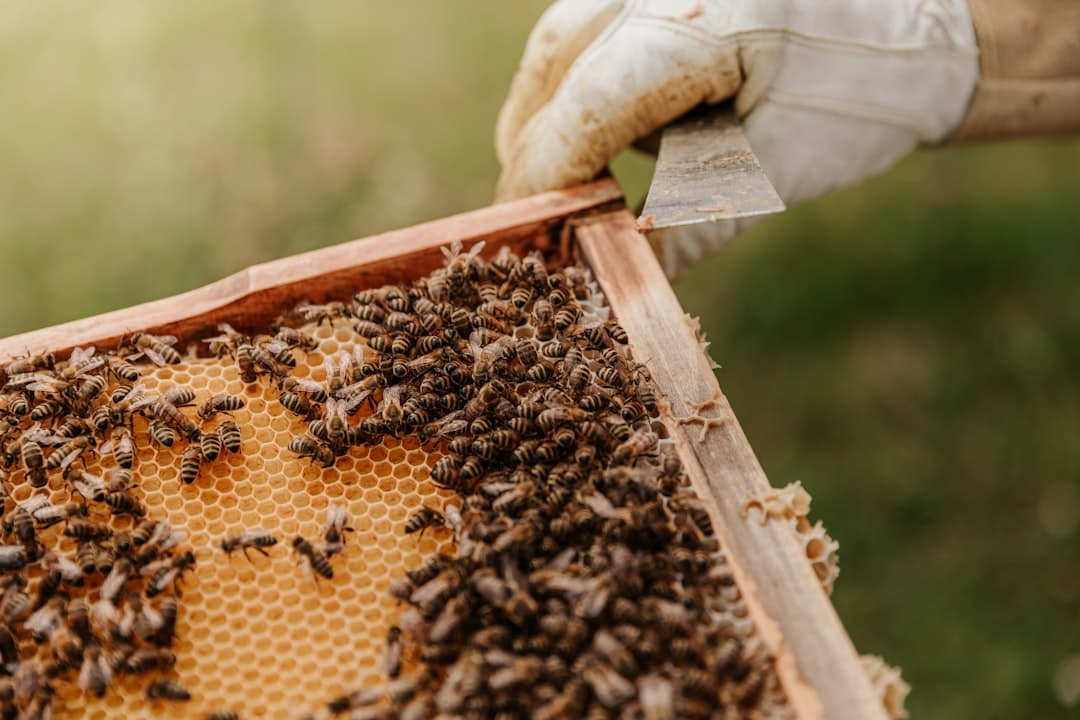
You've probably lost track of your hive inspection records more than once this season. When notes pile up and get scattered, it's tough to spot trends or catch problems early. This guide breaks down a simple, repeatable system to keep your beekeeping records organized and useful from spring through fall, with tips on how APiLOG keeps everything synced across devices. For more insights, check out this beekeeping community discussion on record keeping.
Capture Hive Inspection Records
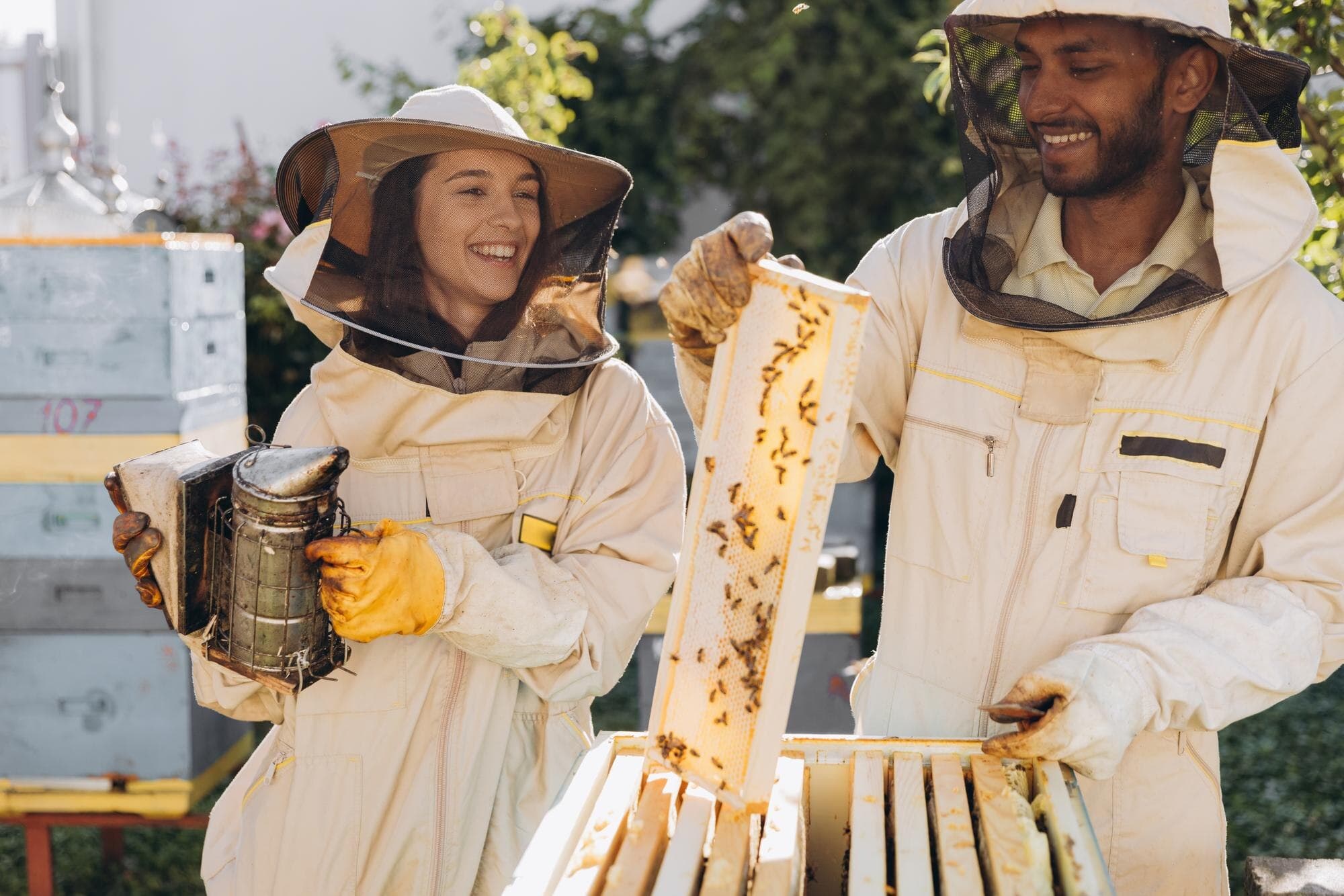
Woman beekeeper holding smoker during hive inspection
Keeping track of your hive inspection records can make or break your beekeeping season. Let's dive into a foolproof system that ensures your notes are not just scribbles in a notebook but actionable insights.
Simple Steps for Accurate Logging
Start by adopting a consistent method for recording your observations. You could use a notebook, but many beekeepers now prefer digital solutions that are always accessible. Here are three simple steps to make your logging accurate:
- Date and Time: Always note the date and time of each inspection.
- Conditions: Record weather conditions and any notable changes in the hive environment.
- Observations: Make detailed notes about hive health, brood activity, and other critical factors.
By sticking to this routine, you ensure no detail gets lost. Curious about how other beekeepers handle this? This forum discussion offers some great tips.
Using Tags for Quick Reference
Tags are your secret weapon. They allow you to pull up records quickly without sifting through pages of notes. Here's how to use them effectively:
- Category Tags: Use tags like "brood check," "queen sighting," or "mite count" to categorize your observations.
- Priority Tags: Highlight urgent issues with tags like "immediate attention" or "monitor closely."
By tagging your entries, you streamline future reviews and quickly spot patterns or issues. Learn more about tagging practices here.
Reviewing Notes for Actionable Insights
Once your records are organized, it's time to turn them into action. Regularly review your notes to identify trends. Are there recurring issues? Have you noted changes in brood patterns or honey production? This step is crucial for anticipating problems before they escalate.
Here's the key insight: The more you review, the more proactive you can be. This approach saves you time and effort in the long run. For additional tips, check out this helpful guide.
APiLOG: Your Digital Hive Logbook
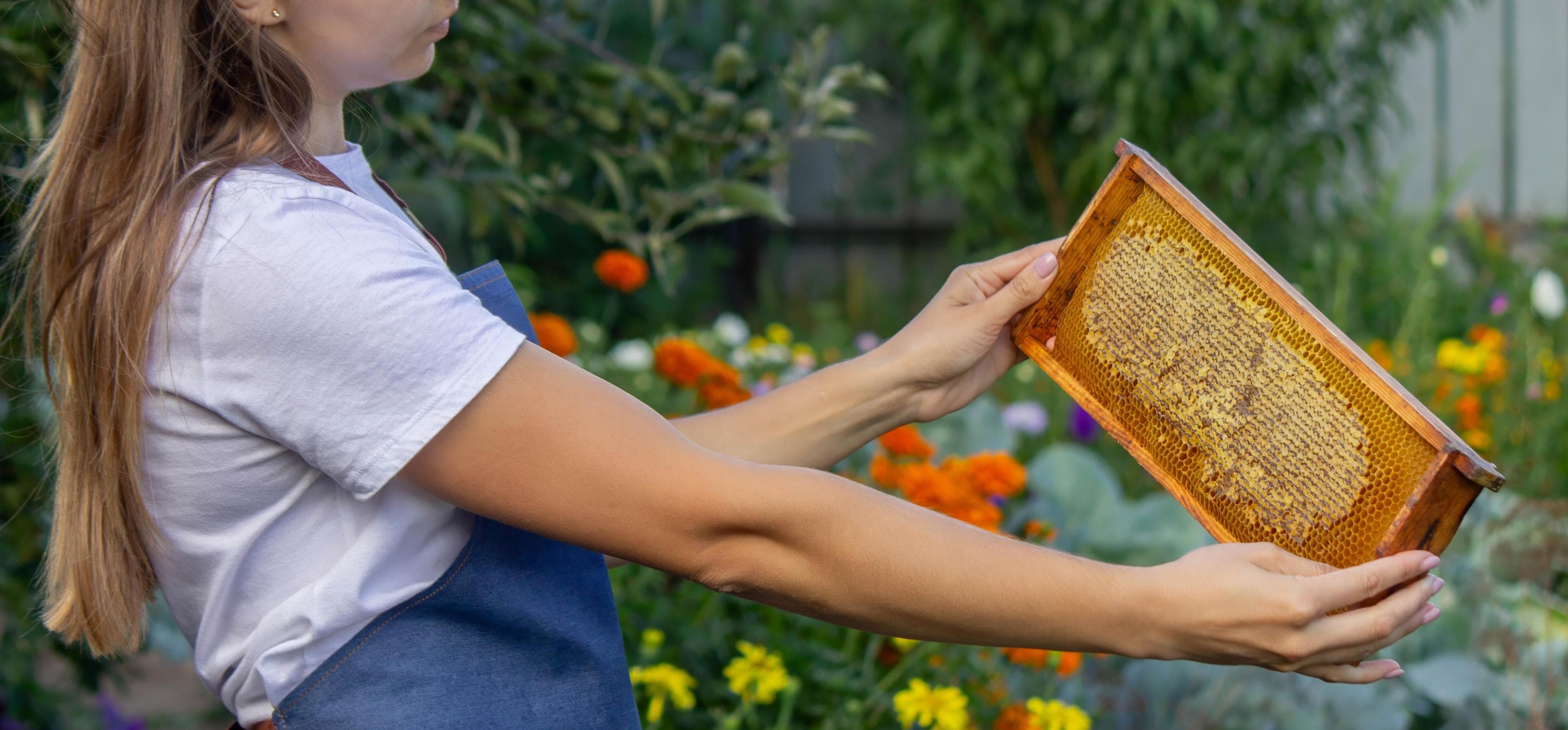
Woman beekeeper holding a honey frame in a garden
Now that you've got the basics, let's explore how APiLOG can take your record-keeping to the next level. This digital tool is tailored to simplify your tasks and enhance your hive management.
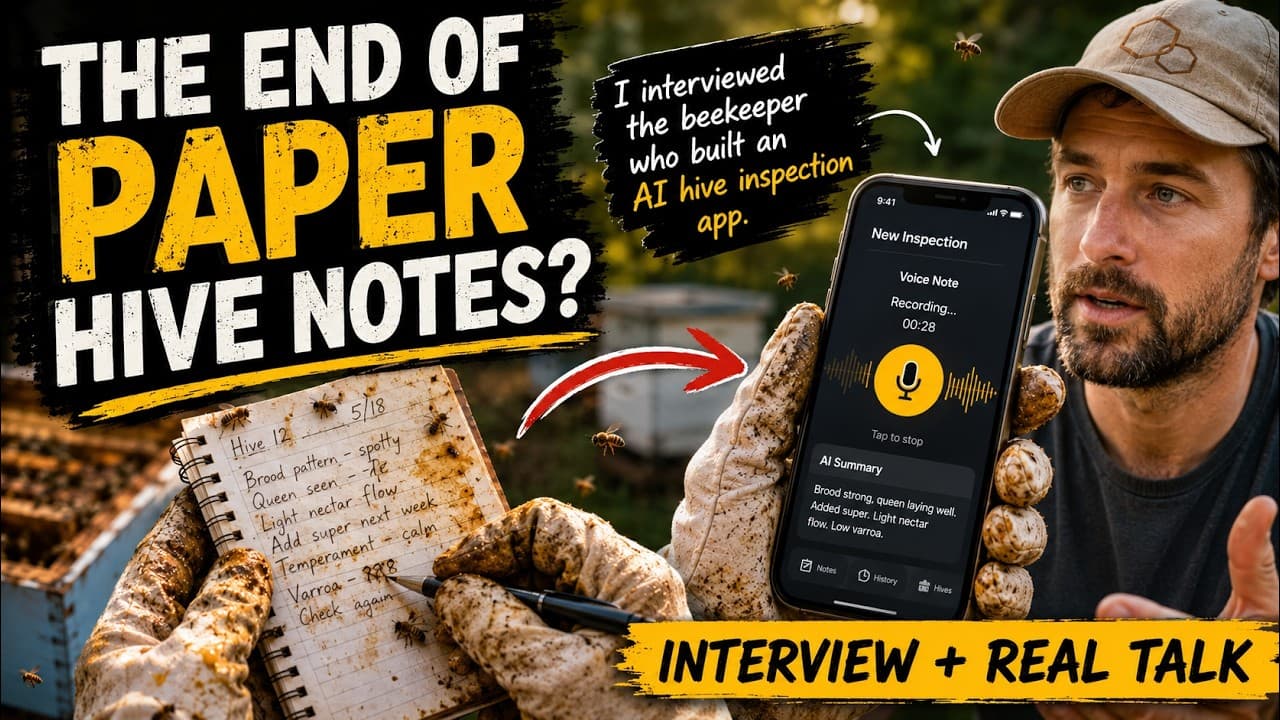
Inspection Checklist and Hive Health Tracking
With APiLOG, you get an inspection checklist that covers every aspect of hive health. You can easily tick off what you've checked and what needs more attention. The app tracks hive health metrics over time, making it easier to spot trends and changes.
The benefit is clear: consistent tracking equals better hive management. Your hive inspection records become more than just static information; they're dynamic insights you can act on. See what other beekeepers are saying about APiLOG on Facebook.
Queen Status and Brood Pattern Tracking
Monitoring your queen and brood patterns is essential. APiLOG provides an easy way to log queen status, whether she's present, laying well, or showing signs of distress. It also tracks brood patterns, helping you understand colony dynamics over time.
This feature ensures you're always in tune with your colony's health. By focusing on these key areas, you can make informed decisions that boost your hive's productivity.
Mite Count and Honey Yield Logging
Keeping mites in check and optimizing honey yield are top priorities. APiLOG simplifies mite count logging, letting you record and compare counts over time. This helps you identify when interventions might be needed.
Honey yield logging lets you track productivity, ensuring you maximize harvests and maintain healthy hives. By keeping these records digital, you ensure nothing gets lost in the shuffle.
Streamline Your Apiary Management
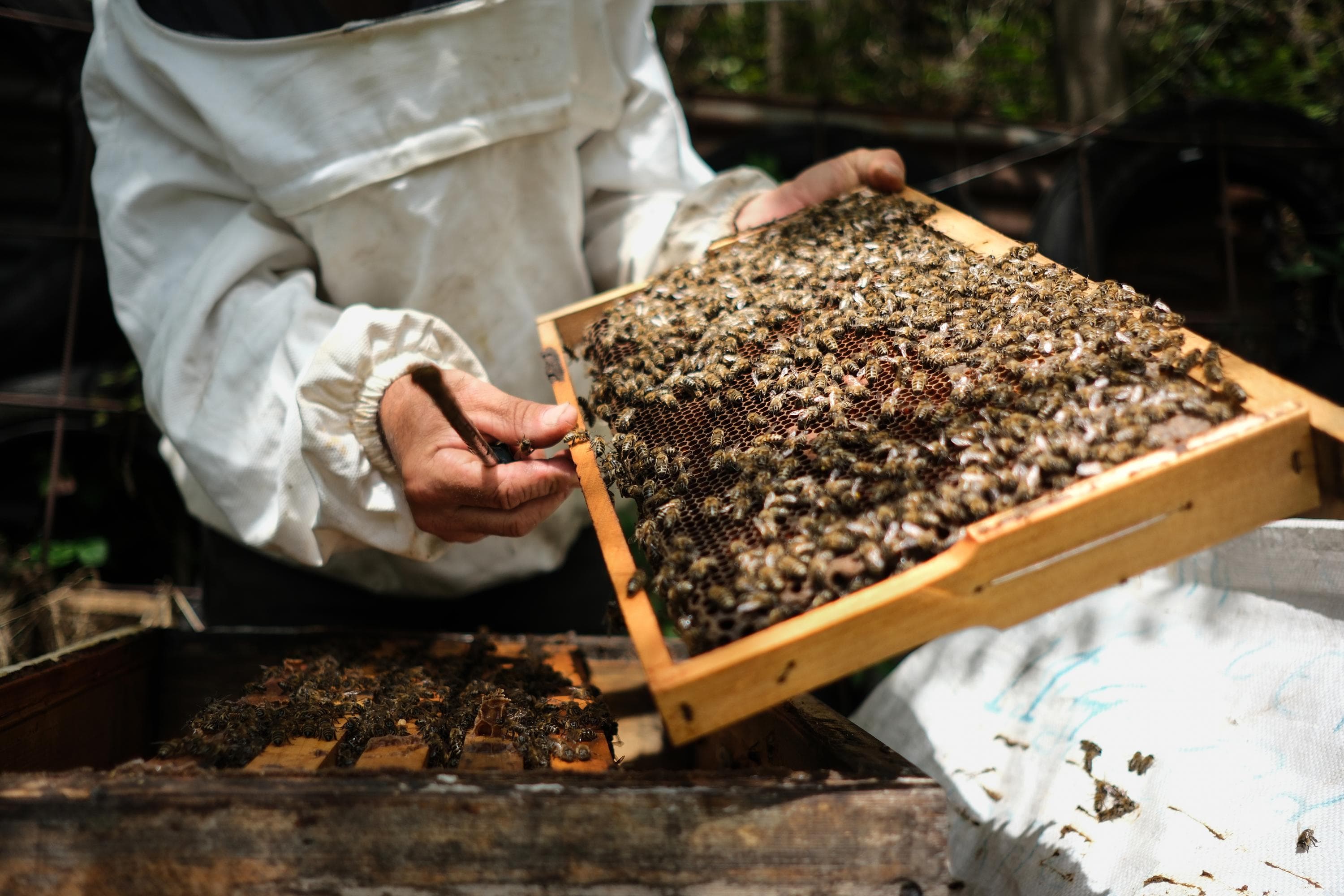
Beekeeper removing a comb full of bees from a hive
With an organized system and the power of APiLOG, you're on your way to seamless apiary management. Let's dive into some advanced features that make life even easier.
Beekeeping Templates and Smart Tags
APiLOG offers beekeeping templates that save you time. These templates cover common inspection types and conditions, so you don't have to start from scratch each time. Combined with smart tags, they make your records more organized and accessible. Beekeepers are already sharing how these features work for them — join the conversation on Facebook.
Keeping a Clean Hive Audit Trail
A clean audit trail is invaluable for reviewing past inspections and planning future actions. APiLOG keeps a chronological record of all inspections, allowing you to see the full history of each hive at a glance.
This feature provides peace of mind, knowing that all your data is safely stored and easy to access whenever needed. Curious how other beekeepers use it? Search APiLOG on Facebook to see real-world experiences from the community.
Start Organizing Your Hive Records Today
The longer you wait to streamline your process, the more overwhelming it becomes. With APiLOG, you have a partner that simplifies every step of hive management. From logging inspections to tracking health metrics, it's all at your fingertips.
See APiLOG in action
Try the demo and discover how easy it is to keep your hive inspection records organized all season long.