
The New Beekeeping Calendar: Adapting to Climate Volatility
Fixed seasonal dates are becoming less reliable as weather patterns shift. Here's how to build a hyperlocal beekeeping calendar from your own hive records instead.
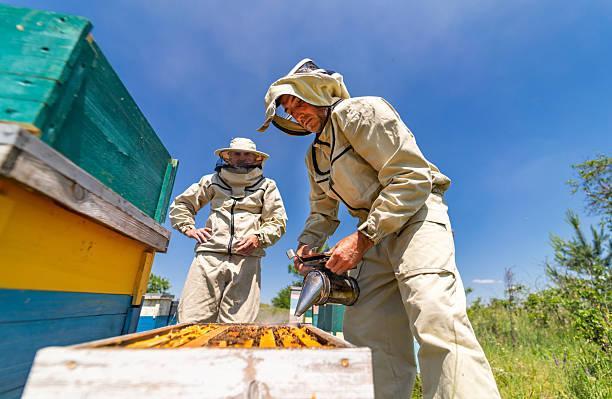
The New Beekeeping Calendar: Adapting to Climate Volatility
Every regional beekeeping guide publishes roughly the same calendar: feed in early spring, add supers by late spring, treat for mites by late summer, winterize by fall. It's a reasonable starting point — and an increasingly unreliable one. A warm snap that pulls bees into early buildup, a flow that comes three weeks ahead of schedule, or a dearth that stretches a month longer than usual can throw a fixed-date calendar off badly enough to cost you a colony. The fix isn't a better calendar. It's managing by what your hives are actually telling you.
Why the Old Calendar Keeps Breaking
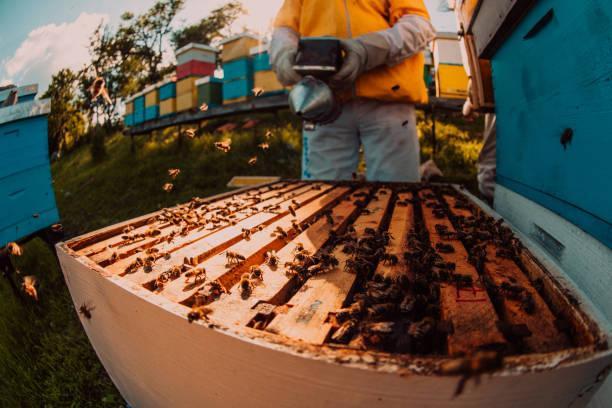
Beekeeper checking honey stores on a frame in the field
Fixed-date calendars were built for a climate that behaved predictably enough to plan around. When bloom timing shifts year to year, or a dearth shows up where there's usually a flow, a calendar anchored to the date instead of the conditions tells you to do the wrong thing at the wrong time — add a super into a dearth, or skip a feeding because "it's not feeding season yet."
The Cost of Managing by Date Instead of Signal
Missing a feeding window by two weeks because the calendar said it wasn't time yet, or treating for mites on schedule instead of when counts actually spike, isn't a small miss — it's often the difference between a colony that makes it through winter and one that doesn't.
Read Your Hive, Not the Calendar Date
The alternative is managing from the signals your hive gives you directly: stores dropping faster than expected, bees drawing comb earlier than last year, brood pattern expanding ahead of schedule. None of that requires guessing — it requires having last year's notes on hand to compare against this year's.
Tracking Forage Gaps and Unexpected Dearths
A forage gap that shows up where your calendar says there should be a flow is easy to miss if you're not actively tracking stores. Logging stores at every inspection — not just at harvest or at fall prep — is what catches a dearth early enough to feed before a colony is actually stressed, instead of after.
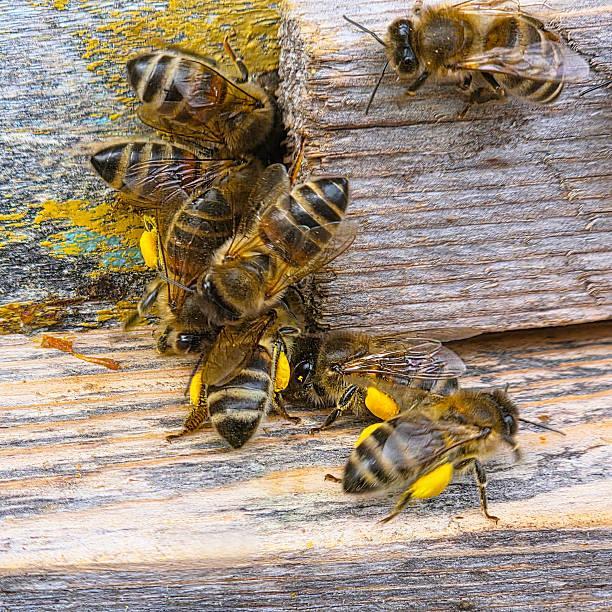
Building Your Own Hyperlocal Calendar From Records
No published regional calendar knows your specific yard, your microclimate, or what your bees actually did last April. Your own hive inspection history does. After two or three seasons of consistent records, you have something more useful than a generic guide: a calendar built from what actually happened at your apiary, year by year.
You don't have to make sense of that history alone, either. Ask HiveAssistant™ what an off-schedule dearth or an early buildup might mean for a specific hive, and it reads the situation against that hive's own logged history instead of a generic seasonal guide — then turns the read into tasks, like a feeding check or an earlier mite count, so the calendar adjustment isn't just a note you make but something that actually lands on your to-do list.
Comparing Year-Over-Year Data to Spot the New Normal
The real advantage of digital records over paper notes here is comparison. Pulling up "what did stores look like at this hive on this date last year" takes seconds when your hive records are searchable — and it's the fastest way to notice that "unusual" weather is becoming the new normal rather than a one-off. That shift matters: a single odd season is worth a note; three odd seasons in a row is worth rebuilding your calendar around it.
Build your calendar from real hive data
Try APiLOG's inspection history and year-over-year comparisons hands-on. No signup required.
Frequently Asked Questions
Should I throw out my regional beekeeping calendar entirely?
No — it's still a reasonable starting point for a first season or a new apiary. The goal is to treat it as a baseline you adjust against your own hive signals, not a fixed schedule you follow regardless of what the bees are actually doing.
How do I know if a dearth or early flow is a one-off or a pattern?
Compare it against your own records from previous seasons. One unusual year is weather; the same shift showing up two or three years running is a pattern worth planning around.
What's the single most useful thing to track for building a hyperlocal calendar?
Stores and brood pattern logged at every inspection, not just at major milestones. Those two signals, tracked consistently, tell you more about timing than any fixed date ever will.